Symptoms And Signs Of Autism Spectrum Problem Autism Spectrum Condition Asd
As research study right into autism remains to develop, so also does our understanding of autistic actions. New insights are frequently emerging, testing old assumptions and opening brand-new opportunities for support and treatment. It's an exciting time in the field of autism study, with prospective breakthroughs imminent in locations like sensory processing, communication assistance, and grown-up end results. Promoting acceptance and understanding in society is maybe the most vital action in supporting people with autism.
What Are Social Skills?
Understanding the behavioral features of kids with autism can assist parents, caregivers, and professionals to better support these youngsters. It is necessary to bear in mind that each youngster is distinct and might not present all these actions, or might display them to various levels. Recognizing and valuing these differences is essential in supporting children with autism. The list below provides some examples of usual kinds of habits you may see in children detected with autism range problem (ASD). Not all autistic youngsters will have all these habits, however most will have several of the actions listed below. Furthermore, some kids without ASD may present some of these actions.
Flapping Hands Or Repetitive Gestures
- Autism, additionally called Autism Range Disorder (ASD), is a lifelong condition normally appearing throughout early childhood.On the various other hand, no qualified guardian would make it easy and acceptable for their child to lie, strike, injure others' feelings, or behave in ways that are damaging to themselves or others.The range in ASD describes the large range of signs and symptoms and behaviors that can vary in severity from one person to another.
Understanding the underlying reasons for tough actions is important. Aspects like sensory level of sensitivities or changes in regimen can trigger troubles. Carrying out consistent reactions without psychological responses is essential; keeping a tranquil behavior encourages security. Trouble actions in youngsters with autism frequently occur when they are overstimulated by their detects, making it hard for them to control their activities. Any kind of unexpected or unannounced get-together can cause your kid with autism to show Parental Age & Autism Risk trouble behaviors. Aiding your child get rid of issue behaviors might appear challenging, particularly if they display numerous DSM-5 autism spectrum disorder tough behaviors you wish to alter.

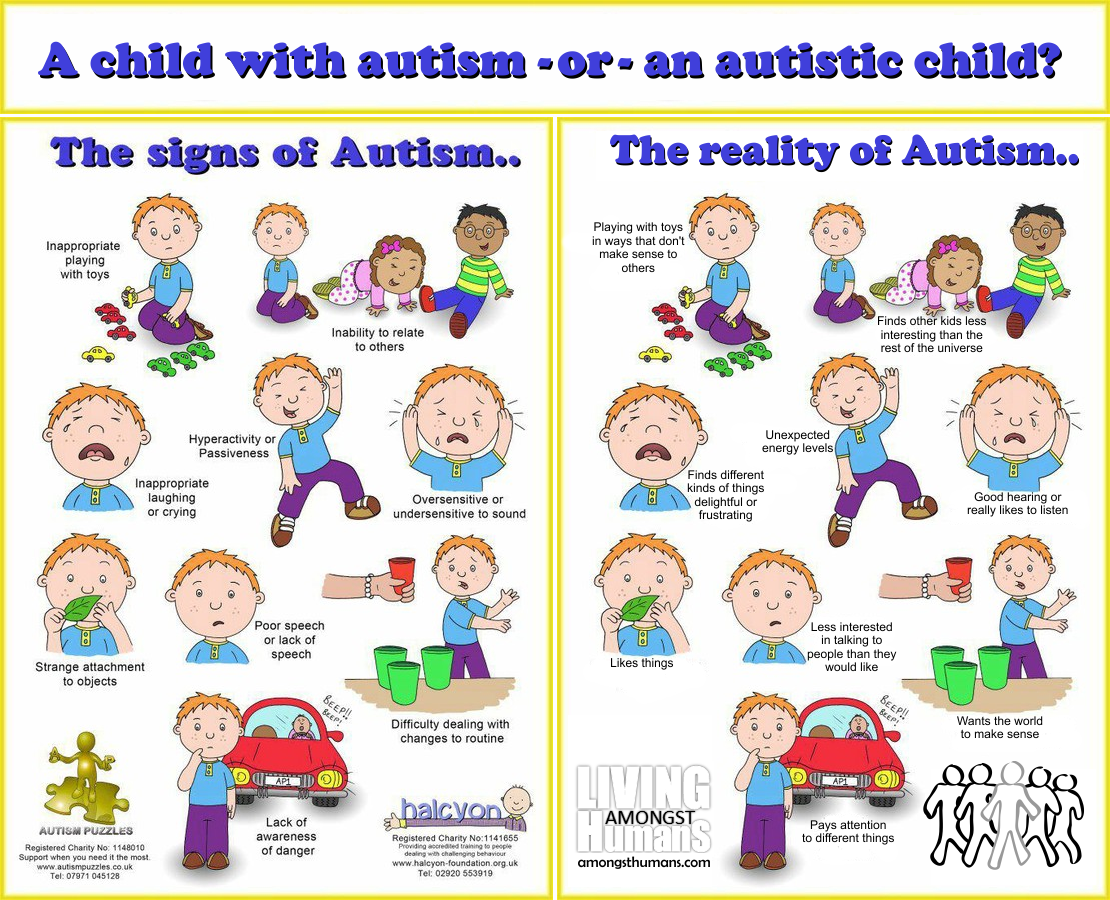
Thus, recognizing the sensory habits in autism is a necessary first step towards offering proper assistance and intervention. If you're supporting a private with autism, bear in mind that handling difficult habits in autistic kids or grownups isn't regarding changing who they are, but about finding techniques that work for them. This may entail dealing with underlying sensory needs, giving clear interaction, or adjusting settings to minimize tension and anxiousness.
Playing Alone
But a youngster with autism may avoid eye call-- never ever looking directly at his moms and dad or doing so inconsistently or fleetingly. " Some children who are badly influenced may make no eye get in touch with in any way," Pandey includes. An absence of eye call is not constantly a measure of autism-- a caveat that applies to every signs and symptom on this listing. When it pertains to supporting people with ASD, there's no one-size-fits-all strategy. Rather, it has to do with producing a tool kit of approaches that can be tailored to each individual's unique requirements and strengths. As individuals with ASD go into their adult years, they face brand-new hurdles related to independence, employment, and relationships. Some grownups may display child-like behaviors, which can be misinterpreted by those not familiar with ASD. It is very important to remember that these behaviors are not an option or an indicator of immaturity, but instead a manifestation of their special neurology. At the heart of ASD exist numerous core behavior features that, while typical, reveal differently in each person.